HVAC · Sanderson, FL
We focus on accurate diagnosis and careful repairs that match the furnace model. Every visit includes safety checks on venting and gas connections before any adjustments are made. We also handle related needs such as AC repair when they arise during the same visit.
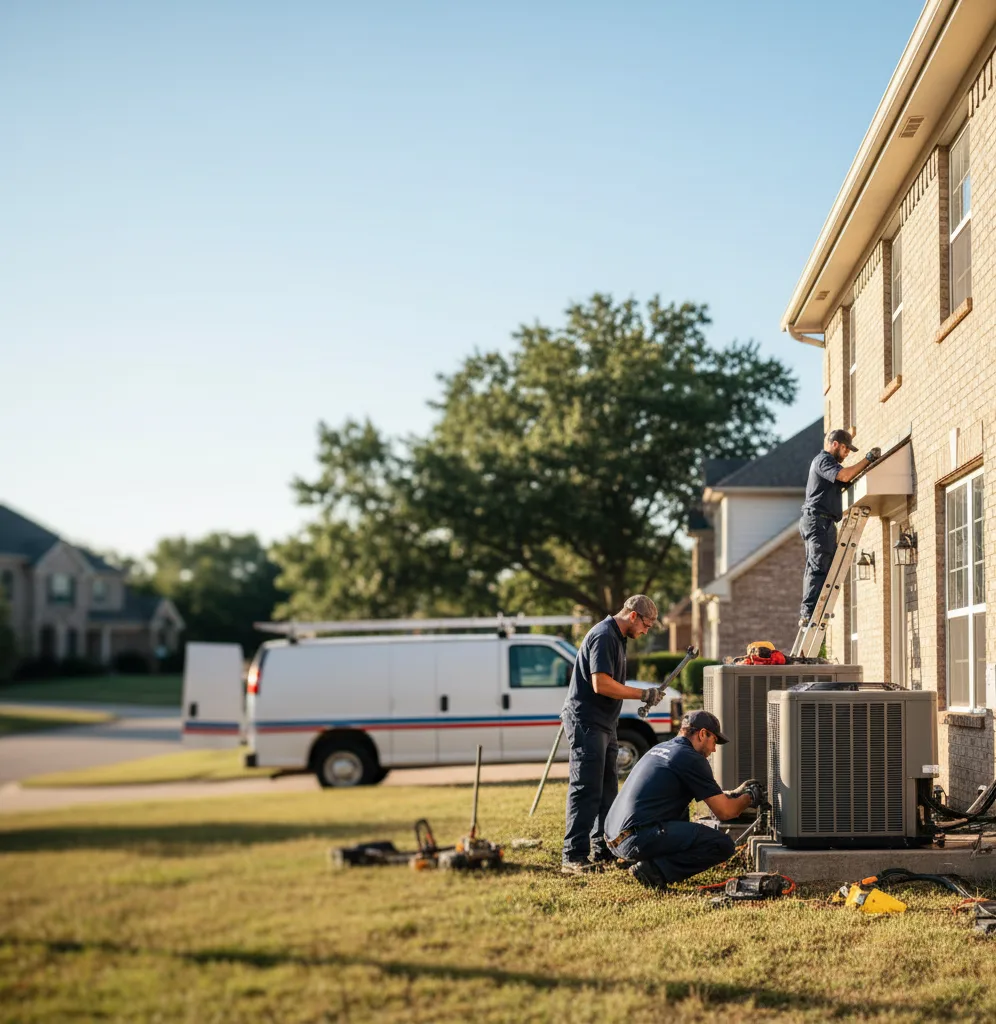
A furnace can lose heat for several straightforward reasons. Dirty air filters restrict airflow and cause the unit to overheat and shut down. Ignition systems that rely on a hot surface igniter or pilot flame sometimes fail after years of use, leaving the burners unlit. Loose or corroded wiring can interrupt the signal between the thermostat and the control board. In older units the heat exchanger may develop small cracks that trigger safety switches. Blower motors that have accumulated dust or lost lubrication run slower and move less warm air through the ducts. We begin by verifying the thermostat setting and power supply, then move to the filter, flame sensor, and limit switches. Each check narrows the possible causes until the specific fault becomes clear. Once identified, heating system repair focuses on restoring safe, consistent operation without unnecessary part replacements.
We arrive with the tools needed to test voltage, pressure, and temperature at key points in the system. After confirming the model and age of the furnace we document any error codes shown on the control board. The inspection includes measuring gas pressure, checking the condition of the inducer motor, and listening for unusual sounds during startup. When a part must be replaced we note the exact specifications so the new component matches the original performance. Homeowners can often see the filter condition or hear the difference in blower speed once the repair is complete. This step-by-step approach keeps the work focused on the actual problem rather than guesswork, which is why we also recommend HVAC maintenance and duct cleaning as preventive steps.
Seasonal temperatures dictate how heavily furnaces must work and how quickly parts wear. Sanderson experiences hot summers and cool winters, heavy rainfall. The type of soil under a house decides how much its foundation moves over the years, which can influence equipment placement during repairs.
Homes rest on sandy, fast-draining soil. Water quality affects mineral buildup inside system components. The supply is soft water. Technicians account for these patterns when planning service so equipment continues to operate reliably through local cycles.
FAQ

The price depends on the location of the leak, whether access requires removing panels or moving ductwork, and how much refrigerant must be recovered and replaced. Small leaks in accessible lines are often less expensive than those inside the coil itself. A full diagnosis is needed before an accurate range can be given.
Most filters slide out from a marked compartment near the indoor unit and can be swapped without tools. If the system still runs poorly after a new filter is installed, the next step is a check of the blower wheel and evaporator coil for deeper buildup. A service call then confirms whether the issue is limited to airflow or something further in the refrigeration circuit.
Short cycling often comes from an oversized system, a dirty filter that restricts airflow, or a failing thermostat that misreads room temperature. The technician checks the temperature split across the coils and reviews the recent run times logged by the control board. Once the cause is identified the repair focuses on restoring steady operation rather than masking the symptom.
HVAC Repair across Sanderson, FL. Call (888) 206-0387.
Call (888) 206-0387